
DIY & Education
What to try yourself, what to never put in a drain, and how Indianapolis plumbing actually works.
4 articlesIndy Drain Pros — Licensed in Indiana · Bonded & Insured · Satisfaction Guaranteed · (317) 608-3777 Need more context on this neighborhood? See our complete drain & sewer service lineup for the full coverage map.
No content-mill fluff. Every article on this page is written by working drain technicians at Indy Drain Pros — practical knowledge from thousands of Indianapolis service calls. Browse by topic, find an answer, fix it yourself, or call us when it's beyond DIY. Need a service instead? View all drain cleaning services.
Start where it matters most. Each cluster has 2-4 dedicated articles answering the questions Indianapolis homeowners search for.
What to try yourself, what to never put in a drain, and how Indianapolis plumbing actually works.
4 articlesSlow drains, gurgling, sewer smell — what each symptom means and when it's about to escalate.
3 articlesHow often to clean, what to schedule, and why Indianapolis sewer lines need specific care.
3 articlesGrease traps, code compliance, real case studies — for restaurants, landlords, and property managers.
2 articles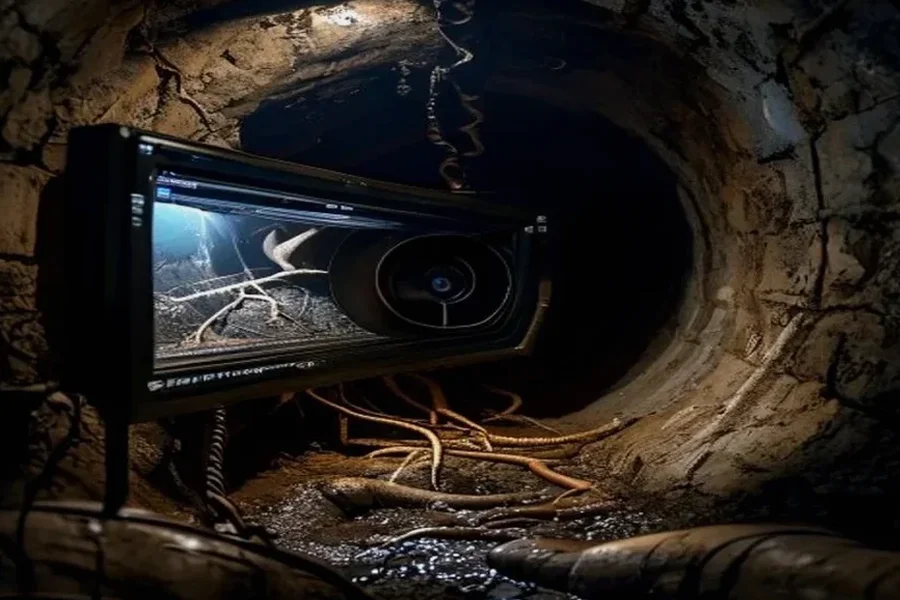
The plumber wanted to repipe the whole house. We dropped a camera down the line and showed her what was actually wrong — a 6-inch root mass at the city tap. $400 fix instead of $8,400 estimate. Here's the footage and the lesson.
Read the full case studyMost clogs aren't emergencies. These articles cover what to try first, what to never do, and how to tell the difference.
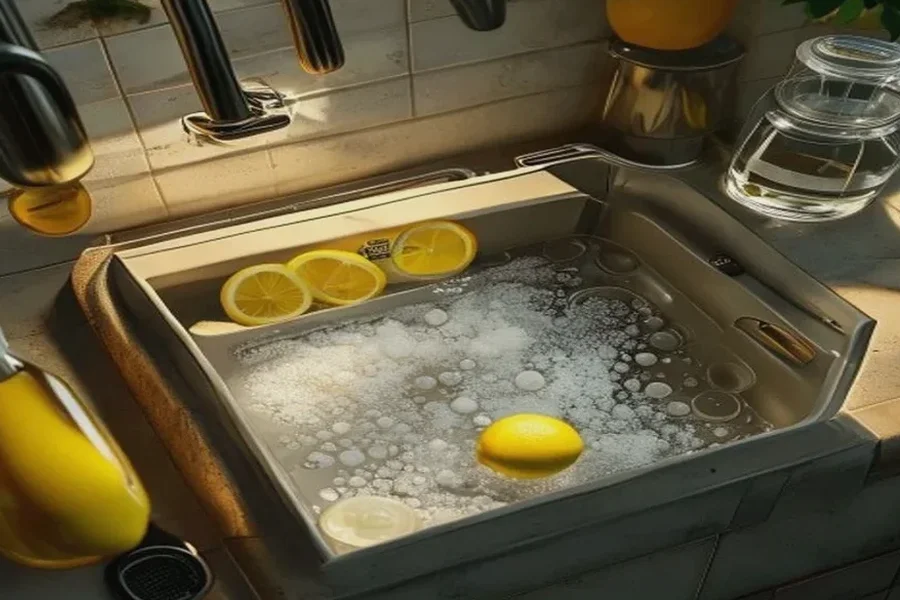 DIY method
Baking soda + vinegar, boiling water from waist height, a proper plunger seal, and the bent-wire-hanger trick. Step-by-step for kitchen, bathroom, and shower.
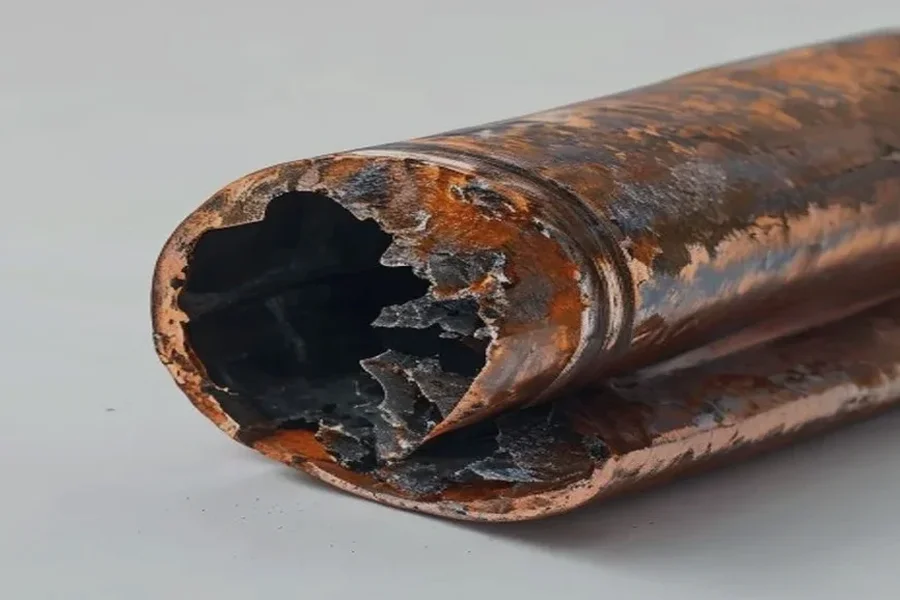 Damage warning
Drano, Liquid-Plumr, and store-brand caustics eat through cast iron, weaken PVC joints, and rarely clear the clog. The chemistry, the damage, and what to use instead.
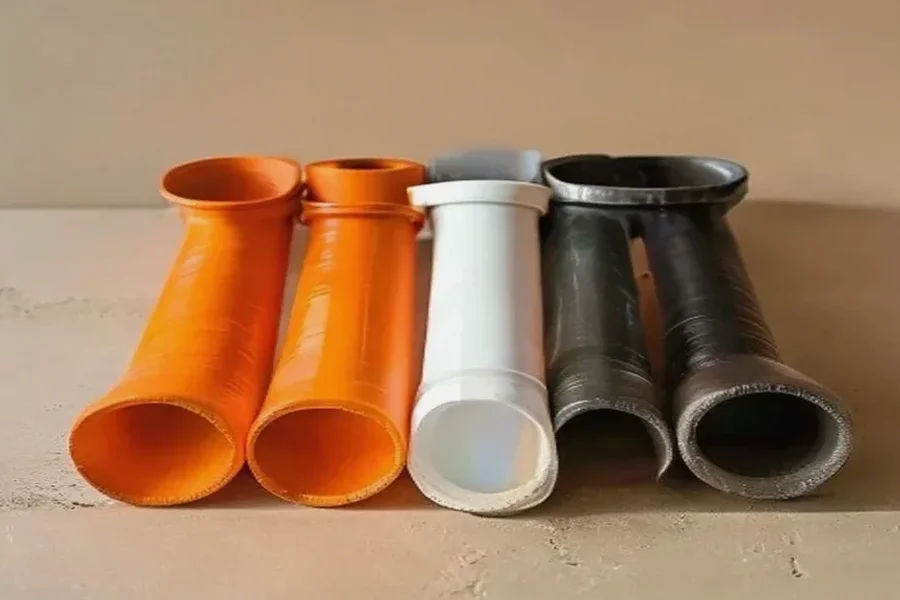 Pipe materials
Most pre-1985 Indianapolis homes have cast iron drains and clay sewer laterals. Newer homes mix PVC and ABS. Here's what each handles, what damages it, and how long it lasts.
 Decision guide
If only one drain is slow, try DIY first. If multiple drains back up, the basement floor drain bubbles, or sewage smells return — stop and call. Here's the full decision tree.
Symptoms that look minor are often the early stage of a sewer backup. Decode them before they escalate.
 Sewer signs
Slow drains everywhere, gurgling toilets, sewer smell in the yard, soggy patches over the lateral, and water at the basement floor drain — the order they show up matters.
 Symptom decoded
Air pushing back through a vent stack or partial main blockage. Toilet bubbles when the tub drains? That's a vent or main issue, not a tub issue. Here's why.
 Symptom decoded
Dry P-trap, cracked vent stack, biofilm buildup, or a broken seal at the toilet flange. Six causes, in order of how often we find them on Indianapolis service calls.
Annual schedules, root prevention, and the cadence that keeps Indianapolis lines clear year-round.
 Schedule
Kitchen every 12-18 months, bathroom every 18-24, main sewer every 24-36 (or 18-24 for old Indianapolis homes with trees). Full table by drain type.
 Local issue
Mature trees + clay tile laterals = root paradise. Indianapolis neighborhoods like Irvington, Crown Hill, and Nora see this monthly. Prevention strategies that actually work.
 Checklist
A printable, seasonal checklist — what to check in March, summer flushing routines, fall pre-freeze prep, and the winter sump-pump tests every Indianapolis basement needs.
Code compliance, real case studies, and the operational considerations that make commercial drain work different.
 Commercial · Compliance
Marion County FOG requirements, recommended pump-out intervals by trap size, documentation health inspectors want to see, and how to schedule off-hours service so the kitchen never closes.
Case study
Featured story: the call where a $400 root removal replaced a quoted $8,400 repipe. Why we now scope every sewer line before quoting anything more than a standard cleaning.
These articles cover what we can teach. The rest is hands-on work — a camera scope, a hydro jet, or a same-day clog clearing. When DIY isn't enough, we're a phone call away.